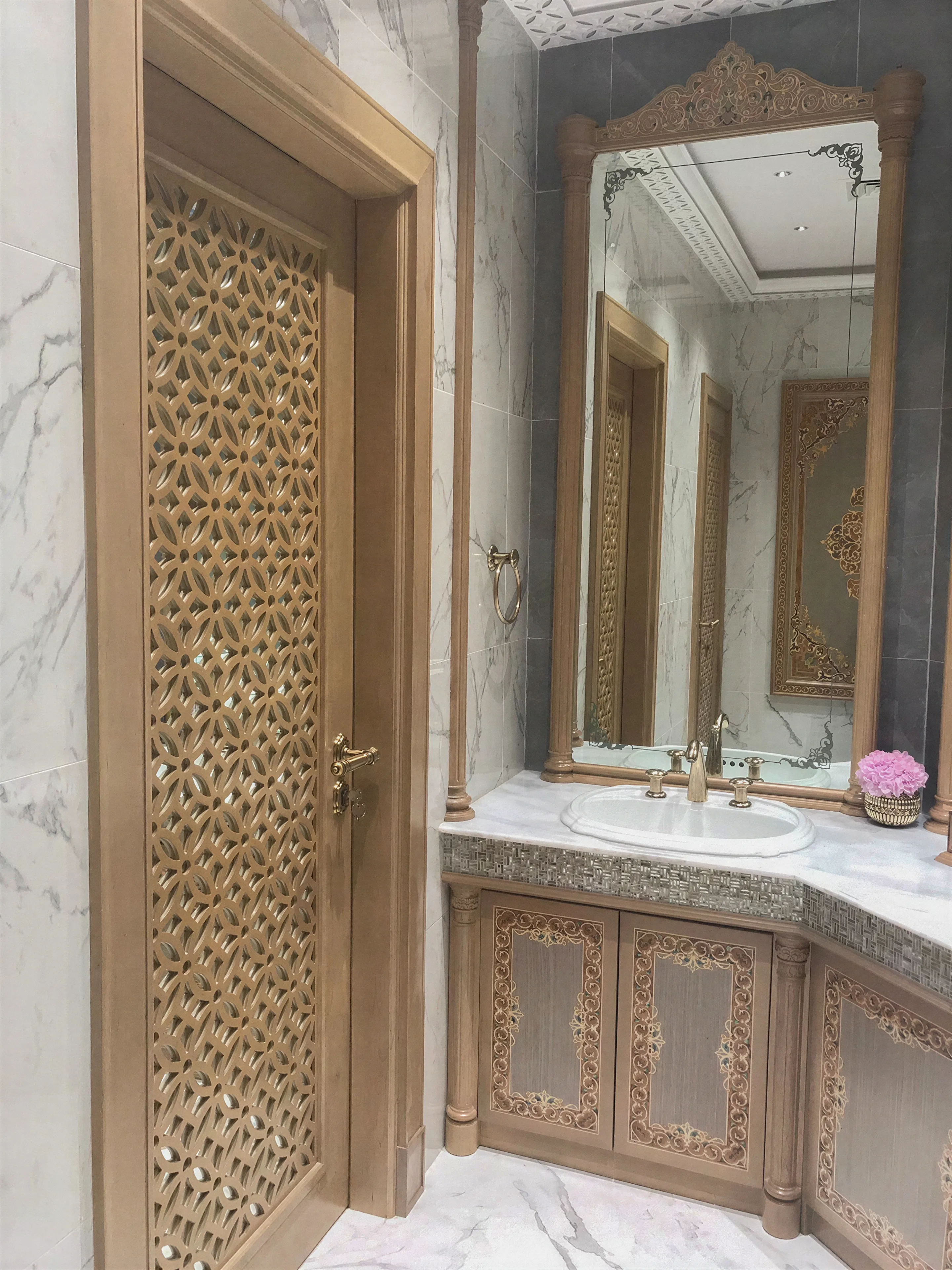
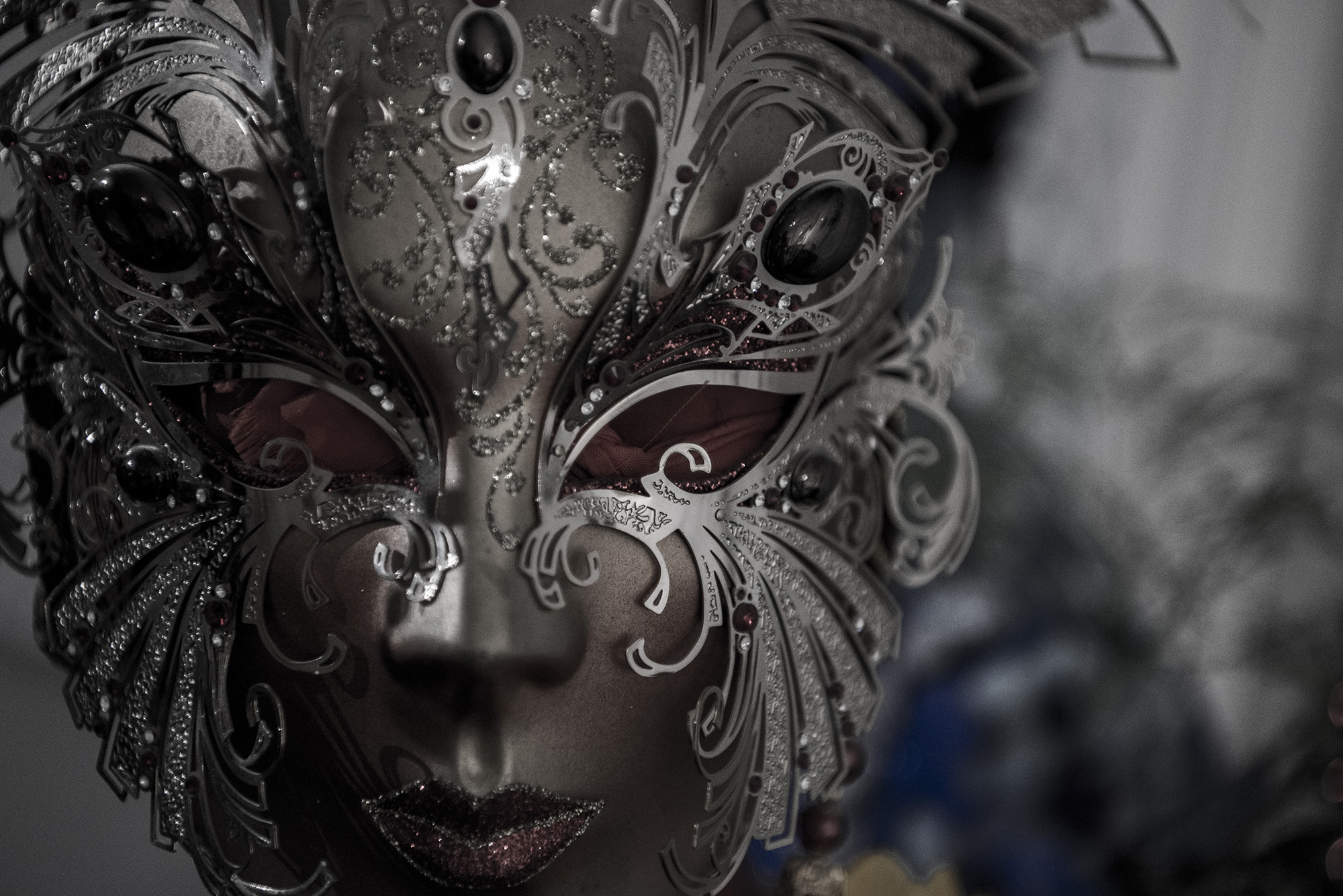


Interior design and art go hand in hand; well-curated artwork complements an interior, rather than competing with it. Modern interior designers are shaping the artwork to fit their designs. Custom digital art and high fashion photography give designers a wider range of options.
Traditional oil paintings are not replaced by digital prints. However, digital art has become increasingly popular over the years. Modern living rooms and small living spaces have moved away from canvas art, in favor of a more compact, more personal type of art. The art industry is constantly evolving as visual technology evolves.
The development in the art industry didn’t stop at the artwork creation process; it expanded to the printing media itself. In fact, it is common to come across fine art photography museums with photographs printed on metal or other unique surfaces. Moving away from canvas allowed artists to expand beyond the limits of canvas art, adding depth and a reflective quality to their work. The broader freedom allowed for more creativity, enabling artists to think outside the box and deliver truly stunning art pieces.
Lenticular art is an impactful art form. It interacts with the viewers as they move, making it more personal. It captures attention and delivers a multi-layered, complex artwork. The effects are created by the art, and they can be tailored to each section of each artwork individually. The effects can vary, from a car paint shifting from black to red to a complex parallax effect behind a portrait. The artist delivers multiple frames from the same panel without needing electricity. This is achieved by merging optical physics and advanced graphic design.
Lenticular art creates the illusion of movement by stacking a layer of precise prints under a layer of microlenses. The prints are spaced accurately to match the microlenses above them. Each lens refracts the graphic under it in a specific direction.Understanding lenticular technology and how it leverages optical physics to produce depth effects and color-changing artwork boils down to two points :
When light passes through a transparent medium, it changes direction. The medium density and the angle of projection determine the exiting light direction. Mirage is a good example of that; when light bounces off far-away objects, it moves in straight lines till it crosses hotter or colder air; the difference in air temperature bends the light.
Lenticular artwork consists of 2 layers: the lenticular print and a layer of micro lenses spaced evenly throughout the surface. The artwork is sliced into strips. Each set of strips represents an image. Strips are placed in a specific order to create the image-changing effect or 3D lenticular image illusion. The cylindrical micro lenses refract each set of strips at a very specific angle, creating a shifting effect corresponding to the viewer's movement.
A spectator of a lenticular artwork can notice changes at 25 degrees or less, depending on the artist's design, allowing for up to 30+ distinct frames to be viewed from a single panel.
Custom art that flows with your interior and interacts with the viewers is not only a conversation starter, but also a way to express more within the same frame. Lenticular art is a unique and powerful art form. It can add depth and sophistication to home interiors and deliver a stronger message about your business. Understanding the correct placement and implementation can make or break your interior.
Lenticular art can add character and depth to common areas without overpowering your interiors if done correctly. For a contemporary living room, lenticular panels should have soft yet relevant transitions that match the color theme. A small bathroom or a narrow hallway can feel larger through a 3D effect. A poster for a rock music fan might tell a different story with flashing colors and heavy contrast.
A traditional oil painting might be the safe choice, and it will remain to be a preferred choice for many. However, a carefully curated lenticular art panel can be the answer for a living room that needs additional depth.
For high-use areas like the kitchen, lenticular art stands out for being durable and more tolerant to humidity. Colorful artwork can make the kitchen more inviting. Geometric artwork works well in a mid-century-style kitchen, with large negative space around the subject and bold frames. A country-style kitchen with natural tones calls for beautiful fruit artwork and smooth transitions, while high-contrast abstract art is more for a modern kitchen.
In formal spaces like the living room, artwork holds special importance to homeowners, as it reflects household values. Planning the art direction during the design process is recommended for seamless integration. However, digital art is highly customizable, allowing the natural flow to continue throughout your home.
In retail, exposure is a valuable currency. Customers are presented with thousands of choices; making a sale depends on them choosing you.
Retailers spend anywhere between 2%-15% of their annual gross sales value on marketing alone to drive traffic into their stores. The interactive property of lenticular art panels is an effective way to deliver your message. After all, it’s hard to ignore large moving artwork that moves with you. Lenticular panels can be customized with custom art and a story unique to your product. Lenticular art's informational value in relation to its footprint is high. Within the same footprint, the retailer can display multiple images or sets of information and promotional graphics.
A car dealership, for example, can display an energetic graphic of a new vehicle on the first layer that transitions to the financing option for the same model.
Digital technology reshaped the art landscape since the introduction of Photoshop in the early 90s. Artists' creativity is not limited to what they can produce with their own hands. Combining artistic freedom and machine precision allowed for the implementation of physics in art. This produced new techniques, like lenticular, drop-tix, and 3D wall art.
Lenticular art is a technical form of art; it requires the artist to have the finished concept prior to the graphic development. The graphic designer has to be consistent during the graphic development. And the technician who assembles it to be precise.
Understanding the transitioning art panels' potential and limitations is essential.
The quality of the final product is dependent on the artist’s ability to visualize each transition while understanding both the limitations and potential of the technology.
Slicing the graphic layers into lines is the basic principle of lenticular, allowing micro lenses to refract each set of lines into a specific angle. The viewing angles themselves are a part of the artistic installation; understanding the traffic flow and direction of movement, and the lighting conditions, are key in producing quality lenticular art.
Our brains perceive depth and movement based on the changes in focus and visibility and disappearance of light information. Using that principle, and utilizing the light-bending characteristics of lenticular, those illusions can be recreated.
Just like a movie frame, the graphic artist divides each frame into lines, and each set of lines combined creates a frame.
Lenticular art allows for conceptual contrast between light and dark, abstract portraits with realism, and hard geometrical art with soft colors and shading in the same frame. It adds more layers of contrast to the artwork through morphing elements within itself. A lenticular frame could display angles morphing into demons, a green landscape turning into a city, and lemon turning into lemonade. With that level of creative freedom, it's up to the artist to decide the goal and the fit for the artwork.
Lenticular art can have the same impact as your large canvas artwork in your living room with a smaller footprint, outlast the classic fruit painting in your kitchen, and be a great addition to your powder room.
The mysterious nature of erotic art is enhanced with lenticular, allowing more room for creativity and adding optical depth to sophisticated, delicate art. With the fading effect, the lenticular panel could reveal and hide layers of clothing and shift lighting with the viewer's movement. It can transition from black-and-white art to colorful wall art, or flip to another sequence frame.
Classic artwork appropriations can benefit from the interactive property of lenticular art by creating a contrast between the original artwork and the artist's additions. Therefore, viewing the same art from both artists' perspectives. A depth effect can be added to classic Renaissance art, creating contrast between the present and the past.
Portraits and family photos can also be enhanced. Creating movement within the frame or merging 2 or 3 different poses, expressions, or backgrounds for the same subject can result in a lively image that brings back a memory.
Depending on the size, in most cases, it falls within the same price range as traditional artwork at that size. The quality of the lenses and the print resolution can be a factor in pricing as well.
The resolution is correlated to the density of the optics sheet. Lenses can be as small as 0.0062 inches, packed tightly for a sharp effect with a print at 1,600 dpi. In cases like that, you are looking at 161 line per inch, making them ideal for view from short distances, and allowing for a much smother transitions.
How do I choose art for my living room, office or car dear ship ?
With many options in the market, the only true way to get art that is reflective of you is to commission an artist. Many design firms offer high end graphic design services. The artists walk and work with you on the graphics, ensuring it fits your interior. The best part, that you get to see exactly how it looks before it goes to the printer for your approval.
Lenticular art is a progressive form of art that merges optical physics and artistry. It can interact with the viewers’ movement and perspective without electricity or complex installation. The durable nature of the material used to manufacture it makes it ideal for humid areas like the kitchen and bathroom.
The artwork can transition, morph, change colors and hide and reveal objects within the same panel, making it great fit for retailers and showroom and homes alike. The artist can control the flow of transition and what would be visible from each angle.
It can be installed and framed just like regular canvas art, and cleaned with regular household supplies.

washington dc . northern virginia . maryland
SANTI Design House is a design firm located in the DMV area. We provide complete interior design and renovation solutions for homeowners and businesses.
© 2026 SANTI DESIGN HOUSE LLC
All rights reserved
All content on this site is created by ©SANTI DESIGN HOUSE LLC, using industry-standard design & visualization tools, meeting the highest standards for interior design and visual technology.