
Northern Virginia is known for luxury homes with elegant, modernized classic interiors. Across from the capital, where smaller, more understated facades are common, and ultra-luxury classic interiors that preserves the historical value of the city, while Maryland is home to many modern, developing architectural styles.
As an area rich in culture and historical values, there is a massive presence of Colonial, Georgian, and Victorian design aesthetics throughout the suburban parts, while the presence of Federal and Tudor Revival is dominant in the cities.
This guide will explore key differences in design aesthetics and how merging both is bringing the best out of each other.
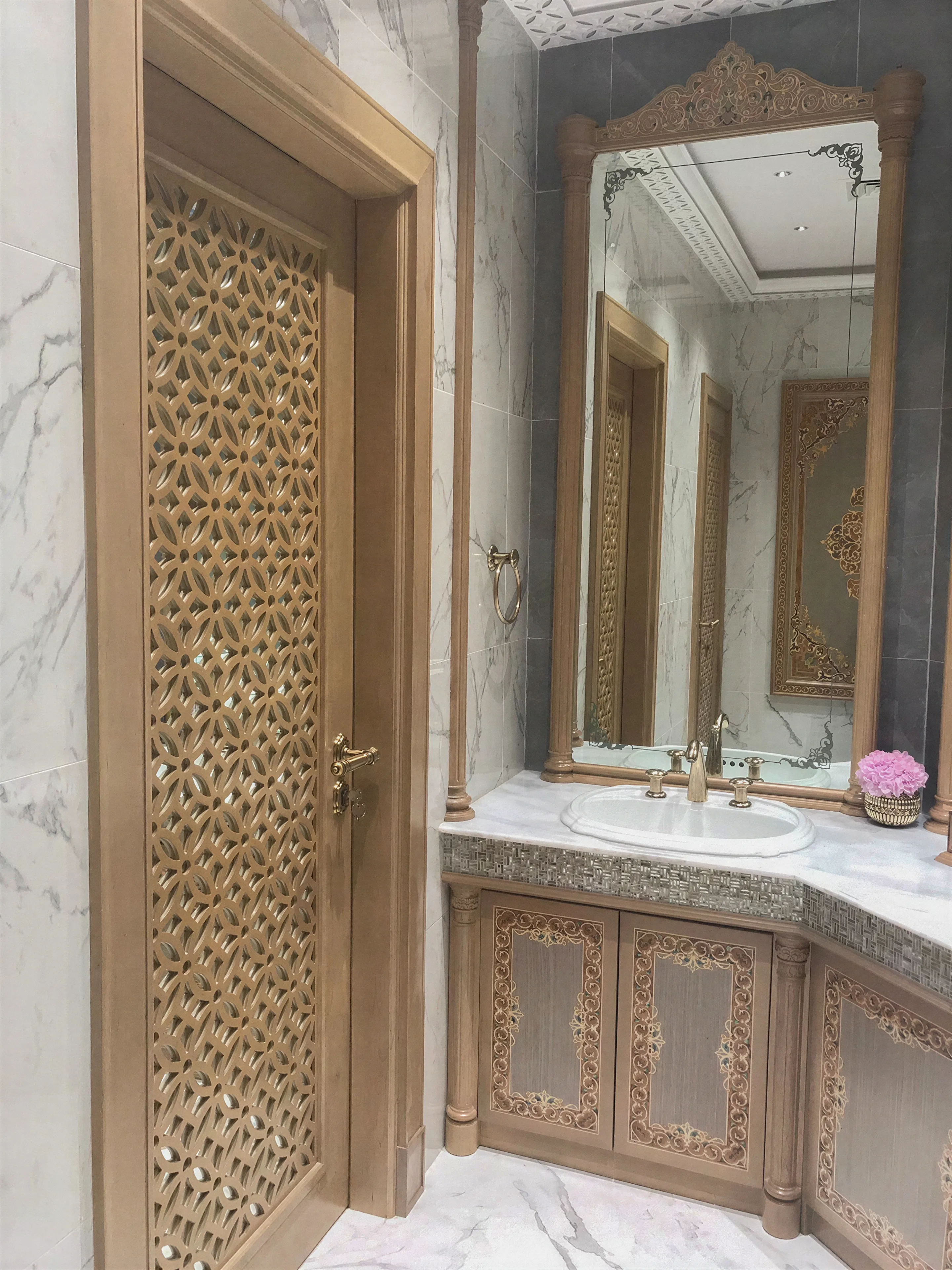
Inspired by European architecture, the current interpretation of classic design draws heavily from old English Victorian design aesthetics, with less emphasis on intricate design details. Taking advantage of geographic location, stained wood is a core element in classic design.
Symmetry is the cornerstone of classic design, which is usefully presented through book matching and repetitive patterns throughout the interior.
While both American and European classic interiors prioritize symmetry and timeless elegance, each has its unique aesthetics shaped by the environment and culture.
The colonial design's distinct signature is classical elegance. Spacious interiors, bright and functional spaces, focus on open-concept layouts and furniture that prioritizes comfort.
The color palette is natural and versatile, creating a calming, practical, and elegant environment, with pattern introduced occasionally through fabric or wallpaper.
European styles, on the other hand, follow a grand, formal, and deeply textured approach, with a much more diverse color palette and wider variety of materials implemented in the same interior. Gold and bright colors are often used to finish intricate details, reflecting the aristocratic heritage of the design. Smaller, more intimate rooms and furniture are commonly used, with more premium choices of fabric, like silk and velvet.
Modern interiors, just like modern art, are rebellious against all classic rules, a stand against class and institution, fueled by societal shifts in the late 19th century and early 20th century. The rise of the Bauhaus movement in the early 20th century influenced many designers to give birth to the well-known 50s futuristic look, with minimalistic aesthetics and functional furniture bridging the 20s industrial feel with mid-century design elements.
Classic luxury without compromising practicality- what modern design fusion is all about. Bringing the best of each movement and connecting them in balance, ensuring flow and consistency. This school of design empowers craftsmanship and delicacy, creating harmony by muting colors and streamlining timeless designs while maintaining the core features.
It often implements technology disguised as classical art, classic-looking furniture with modern dimensions, and exotic fabric.
Some timeless combinations in classic and modern design fusion.
Deep navy blue is an elegant, timeless color; traditional design schools call for complementary color art, as it maintains balance and drives up the contrast. However, in luxury classic design, the wall art will reflect the same or close color combinations, allowing the texture to create contrast instead of the traditional color contrast

washington dc . northern virginia . maryland
SANTI Design House is a design firm located in the DMV area. We provide complete interior design and renovation solutions for homeowners and businesses.
© 2026 SANTI DESIGN HOUSE LLC
All rights reserved
All content on this site is created by ©SANTI DESIGN HOUSE LLC, using industry-standard design & visualization tools, meeting the highest standards for interior design and visual technology.