
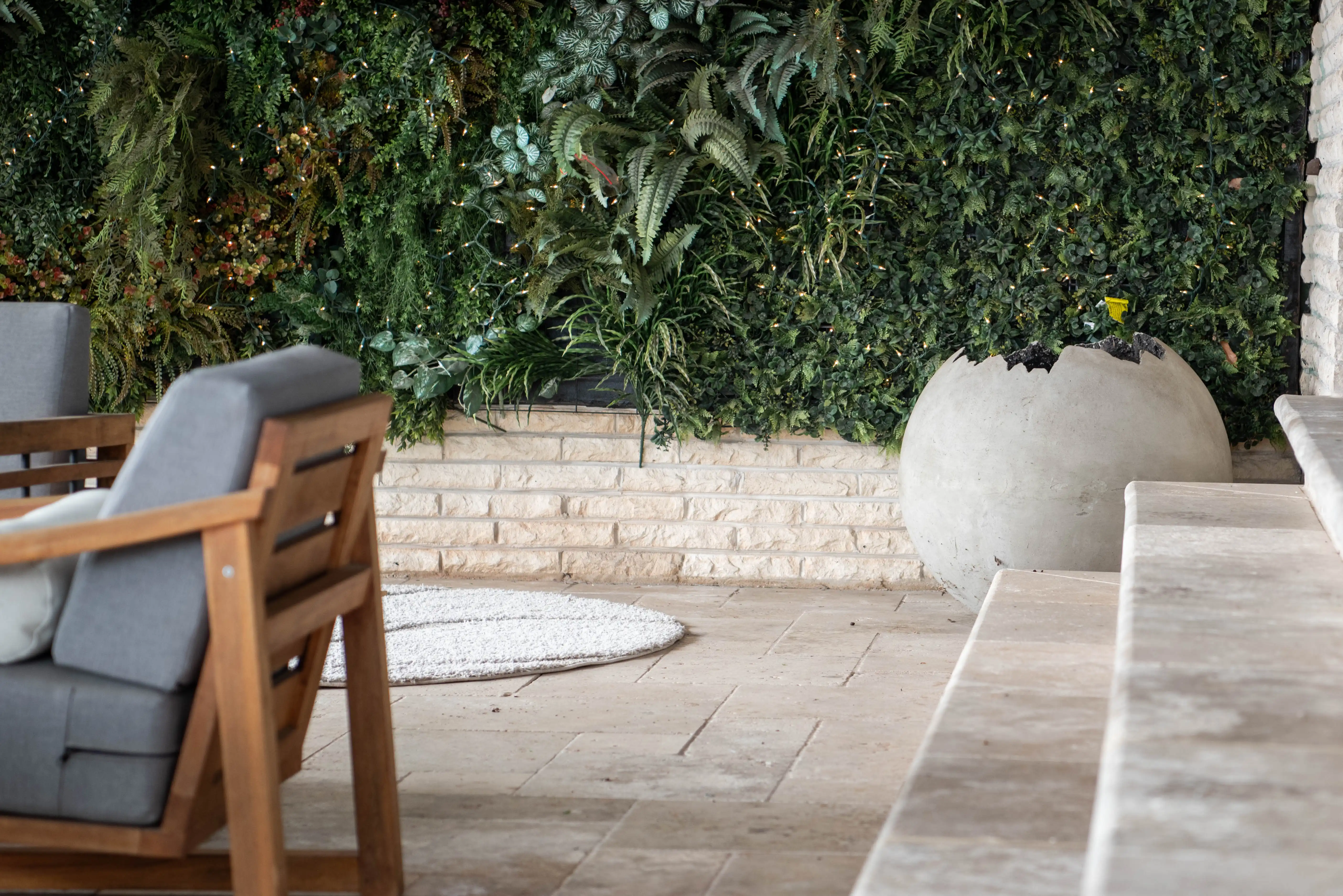
Workspace design is shifting towards more sustainable and employee-focused aesthetics. Ergonomic, colorless interiors are being replaced with well-designed spaces. Well-established research institutions have studied the psychological impact of work environment design on productivity and performance, concluding that a decorated office space can result in an increase of 15% to 17% in productivity while reducing reported stress by 32%. Expansive office walls and long corridors are being utilized to display corporate art that is in line with the company mission and adds warmth to workspaces with wall art and sculptures.
Art is most effective when incorporated with the interior design strategy, as both the interior design and the artwork create harmony and uninterrupted flow. Art in offices is more than decoration, it creates a channel to deploy values and affirm direction.
This guide explains how to plan art in offices and select the right artwork for office walls, while exploring the benefits of using local artists.
In corporate spaces, art can’t be an afterthought. Intentional placement and narrative continuity are essential for an art campaign to be successful; from traditional photography to contemporary abstract wall art, consistency affirms the message and drives up the impact. Spatial design and art format selection go hand in hand; for example, a large open floor with distant walls calls for large canvas art, while a narrow corridor is best fitted with vertical artwork, reserving the large horizontal wall art for open reception areas.
As a tested concept, UBS reports an art collection consisting of over 40,000 art pieces, deployed in offices around the world. Deutsche Bank, on the other hand, started collecting art in 1978, integrating the artwork into the workspace identity, collecting over 57,000 photographs, prints, and drawings, supporting countless local artists, and giving back to the community.
Artwork in the work environment can energize and improve productivity, spread positivity, and establish a unique identity for the brand. A peer-reviewed study in 2010 by Craig Knight and S. Alexsandar Haslam concluded that even basic decoration and the addition of greenery to workspaces can help employees outperform their peers in more traditional types of corporate offices.
Brands tend to seek consistency in their interiors to create an identity that can be recognized by their design aesthetics and color palettes, and that is transferred to their wall art, sculpture, and collectibles. A carefully curated art collection can be used throughout all company material, from coffee mugs to letterheads and business cards. The art type is a reflection of the company itself: a well-established bank is expected to display original oil paintings in its waiting rooms; creative car artwork in a dealership showroom can get a visitor’s attention to take that model for a test drive, while a school can spark interest in their students in space by displaying a breathtaking space artwork in their cafeteria.
Art consultants bridge the gap between vision and reality, as their understanding of artistic concepts and art flow can ensure your campaign’s success. Art consultancy starts with understanding the brand’s message and the company values to recommend the right art direction for the project, followed by art media recommendation and location designation. With a clear direction and comprehensive understanding, the art consultant can create a collection based on your budget and reduce the time and effort taking to source the artwork.
The type of artwork in corporate evolved as the interior designs changed through the century. Designed offices used to be reserved for executives, with classically decorated offices and heavy carved wooden furniture. Classic design aesthetics and the dark fit-out elements complemented dramatic oil paintings, as they complete and flow naturally with the interior. On the other hand, designers have moved towards modern light aesthetics, with signature colors and intentional contrast, making abstract art a better fit for modern office design. Geometrical abstract art remains the favorite for many corporations for its versatility and openness for interpretation, especially for commercial real estate firms; structured geometrical paintings or crisp triangle art align with the brands of that sort, allowing the art to be present but not overpowering.
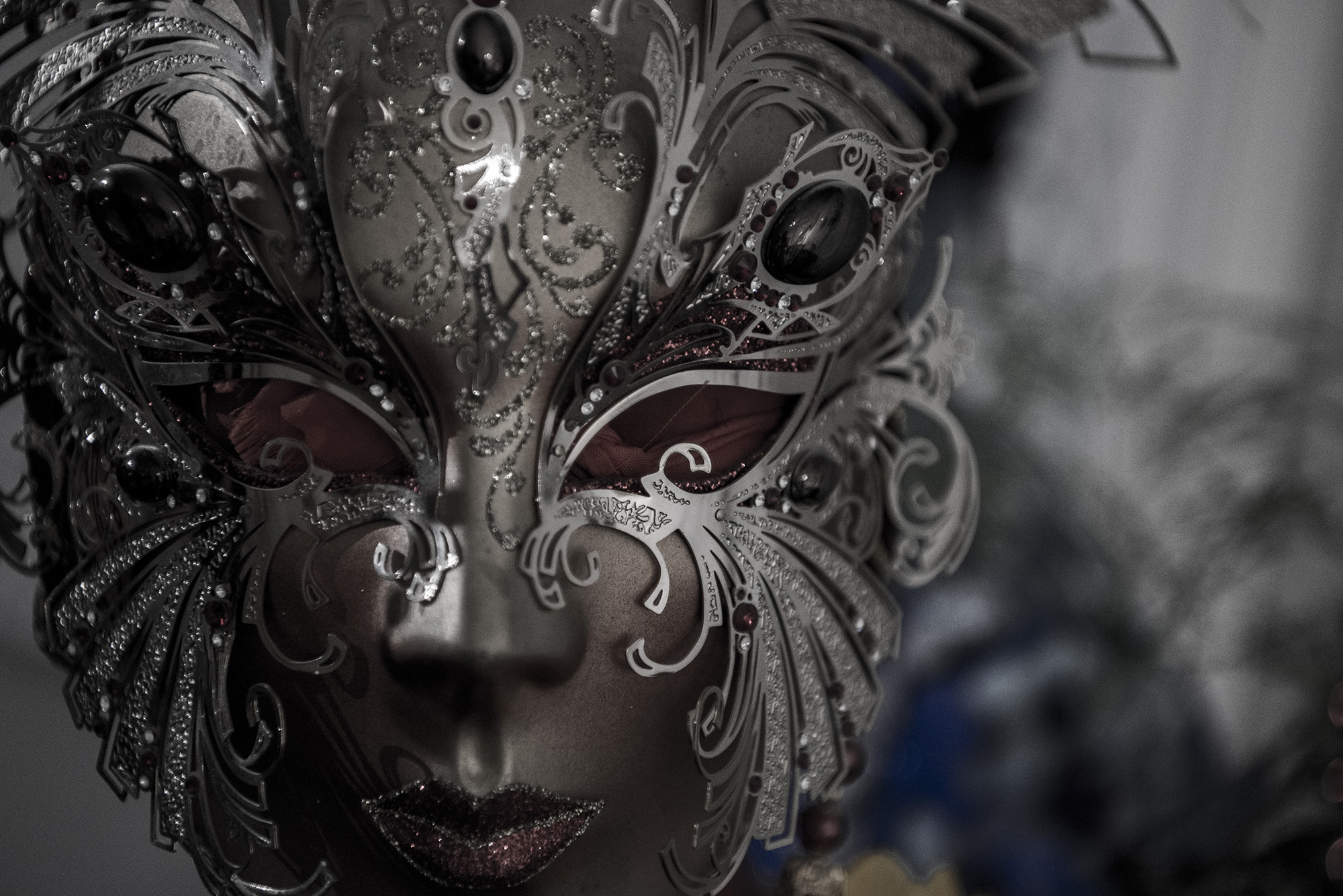
Sculptures are a powerful form of expression, adding dimensions to the artwork, and demanding more substantial presence. Abstract artistry has become a favorite of many modern and modernizing establishments, showing sophistication and keeping up with the 21st century. Abstract artwork in general tends to blend with its environment when curated correctly; it adds depth to geometrical wall art without competing.
Color choices can set the mood for a space; warm colors tend to energize, while deep cool colors like navy or blue tend to show sophistication. A combination of blue abstract painting and a blue abstract sculpture can create an expensive, elegant, and modern interior; the same artwork and sculpture in multiple colors can change the direction completely, creating an inviting, playful feel.
A well-designed and decorated office space can have a positive impact on both employees and their productivity. Artwork in office space is more than just decoration; it is a functional element, tested and approved. Selecting an art concept is essential for your brand identity, and maintaining consistency strengthens your message. It’s important to hire the right art consultant who understands your brand and values, preferably as early as during the design process for your interior to ensure full integration and flow.
washington dc . northern virginia . maryland
SANTI Design House is a design firm located in the DMV area. We provide complete interior design and renovation solutions for homeowners and businesses.
© 2026 SANTI DESIGN HOUSE LLC
All rights reserved
All content on this site is created by ©SANTI DESIGN HOUSE LLC, using industry-standard design & visualization tools, meeting the highest standards for interior design and visual technology.